Raw LEO Payload
Starship is the outlier at 150,000 kg reusable; Falcon Heavy is the mature high-capacity operational benchmark at 63,800 kg.
Starship, New Glenn, Falcon Heavy, Falcon 9, Ariane 6, Vulcan Centaur, and Long March 5 — a side-by-side size and payload comparison for the world's major heavy and super-heavy orbital rockets. Height, thrust, reuse, cost, and mission fit, without hunting through separate spec sheets.
Height is a fast visual proxy, not a performance ranking. Payload, orbit, reuse, cadence, fairing volume, and integration constraints matter more for mission selection.
Use this as the cheat-within-the-cheat before diving into the full table.
Starship is the outlier at 150,000 kg reusable; Falcon Heavy is the mature high-capacity operational benchmark at 63,800 kg.
Starship targets full reuse; Falcon 9 and Falcon Heavy recover first stages and fairings; New Glenn targets first-stage reuse.
Falcon 9 is the cadence leader; Falcon Heavy is proven for high-energy missions; newer systems carry more schedule risk.
Do not compare "payload to LEO" as if every mission uses the same orbit, inclination, recovery mode, or payload adapter.
Filter and sort the cards by lift class, name, payload, height, or first flight year.
Showing 8 rockets.

SpaceX, United States
The most powerful launch vehicle ever developed, designed for Earth orbit, lunar, and Mars missions. Full reuse is the central economic premise. IFT-13 (July 24, 2026) deployed 20 Starlink V3 satellites; booster landing burn failed (engine reignition issues), orbiter intact recovery successful.

Blue Origin, United States
Blue Origin's heavy-lift vehicle with a reusable first stage. Third flight (Apr 19, 2026) had second-stage failure. May 28, 2026 static-fire explosion damaged LC-36. NASA partnership announced (July 24, 2026) to support RTF; Blue Origin targeting EOY 2026 return to flight with new launch procedures.
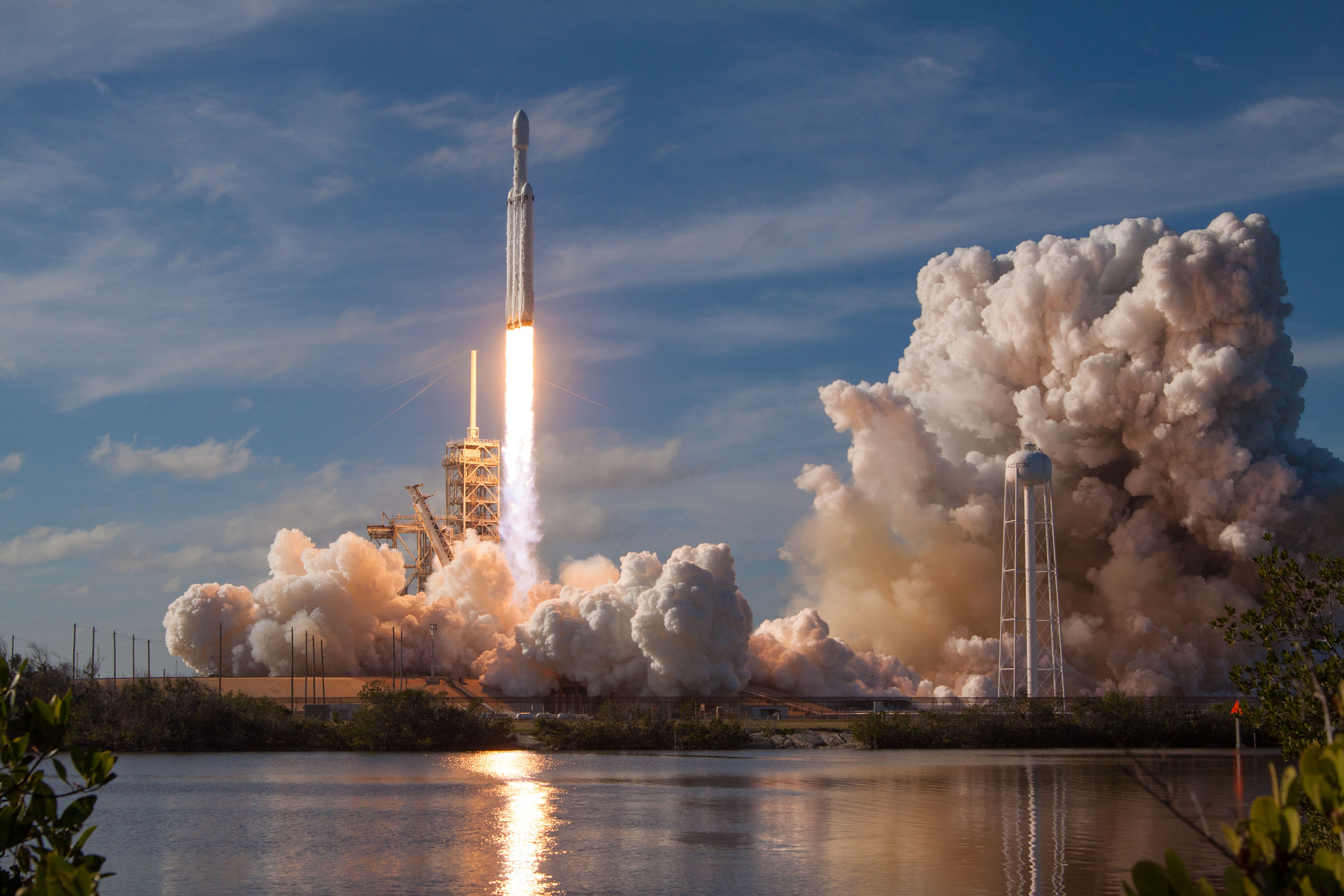
SpaceX, United States
A three-core Falcon 9 derivative and the highest-capacity proven operational vehicle in this comparison, with reusable booster landings where mission energy allows.
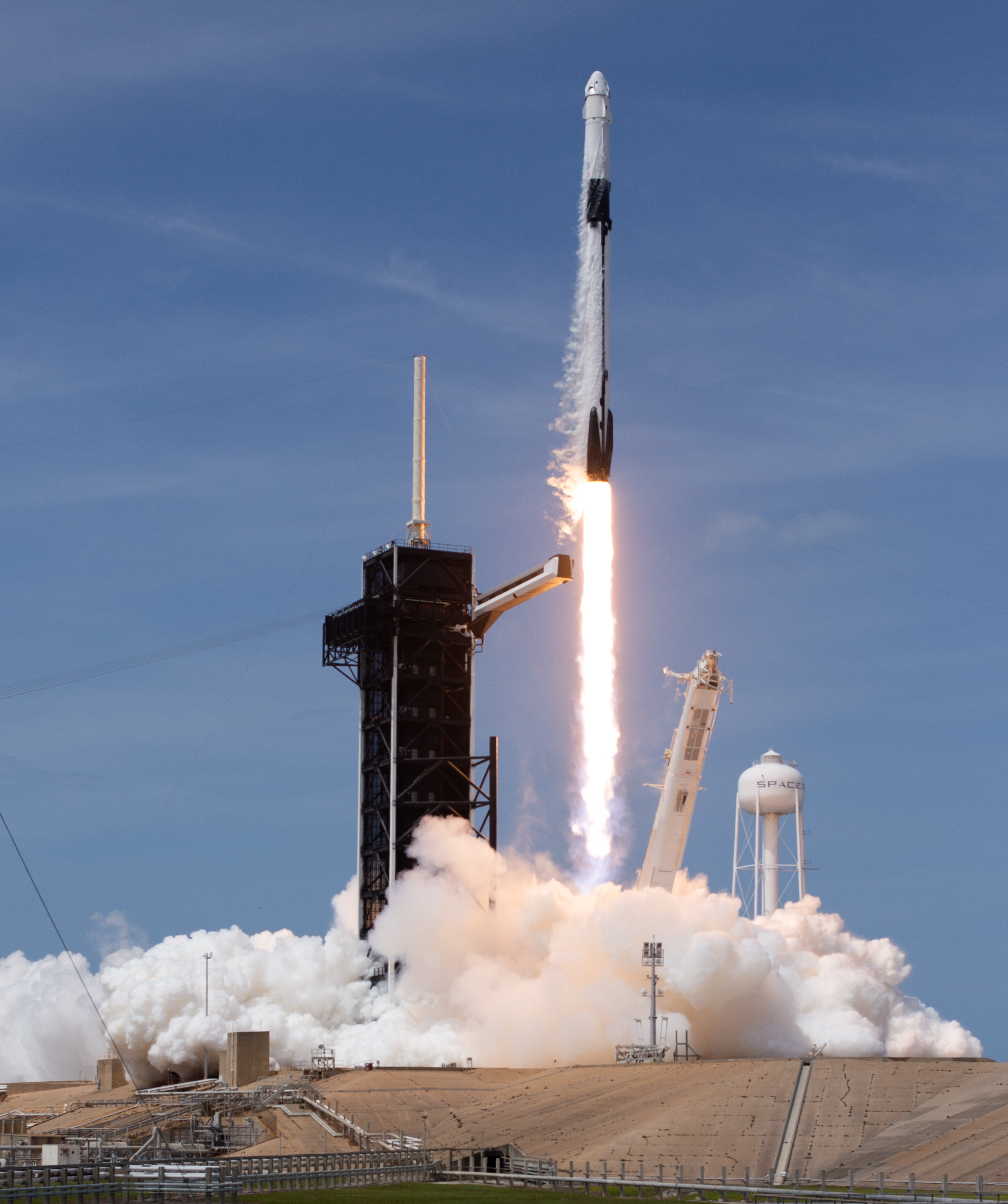
SpaceX, United States
The most-launched American orbital rocket in history. It powers SpaceX Crew Dragon, Cargo Dragon, Starlink, government, and commercial missions.

ArianeGroup, Europe
Europe's next-generation heavy-lift rocket with A62 and A64 variants. The program prioritizes independent European launch access and flexible dual-payload missions.

ULA, United States
ULA's Atlas V and Delta IV successor. Focuses on national security, commercial, and high-energy missions with multiple solid-booster configurations. USSF-87 (Feb 12, 2026) succeeded despite SRB nozzle burn-through; all future launches under investigation hold pending review.

Khrunichev, Russia
Part of Russia's modular Angara family, intended to replace several legacy vehicles with a domestic heavy-lift capability.

CALT, China
China's primary heavy-lift vehicle for space exploration, station assembly support, lunar missions, and large national payloads. TJSW-25 mission (June 11, 2026) to GTO cleared path for Chang'e 7 lunar south pole landing expected August 2026.
The full comparison matrix keeps intentionally scrollable columns on small screens so rocket names and row labels remain readable.
| Statistic | Starship | New Glenn | Angara A5 | Ariane 6 | Falcon Heavy | Long March 5 | Vulcan Centaur | Falcon 9 |
|---|---|---|---|---|---|---|---|---|
| Basic Information | ||||||||
| Classification | Super Heavy | Heavy | Heavy | Heavy | Super Heavy | Heavy | Heavy | Medium |
| Manufacturer | SpaceX | Blue Origin | Khrunichev | ArianeGroup | SpaceX | CALT | ULA | SpaceX |
| Country/region | United States | United States | Russia | Europe | United States | China | United States | United States |
| Reusable | Fully | 1st stage | No | No | 1st stage and fairings | No | SMART reuse, future | 1st stage and fairings |
| Physical Dimensions | ||||||||
| Height | 124 m (408 ft) | 98 m (322 ft) | 55.4 m (182 ft) | ~63 m (207 ft) | 70.0 m (229.6 ft) | 56.97 m (186.9 ft) | 61.6 m (202 ft) | 70 m (230 ft) |
| Diameter | 9 m (30 ft) | 7 m (23 ft) | 3.6 m core | 5.4 m (18 ft) | 3.7 m each booster | 5 m (16 ft) | 5.4 m (18 ft) | 3.7 m (12 ft) |
| Mass, liftoff | ~5.3M kg (11.7M lb) | N/A | 773k kg (1.7M lb) | ~860k kg (1.9M lb) | 1.42M kg (3.13M lb) | 643k kg (1.4M lb) | N/A | 549k kg (1.2M lb) |
| Propulsion and Thrust | ||||||||
| First-stage engines | 33 Raptor 3 | 7 BE-4 | 5 RD-191, 1 core + 4 boosters | 4 Vulcain 2.1 + 2 solid boosters | 9 Merlin per core | 2 YF-77 core + 4 YF-100 boosters | 2 BE-4 | 9 Merlin |
| Sea-level thrust, 1st stage | ~76.7 MN (~17.2M lbf) | ~1,900 kN (~427k lbf) | ~2,090 kN (~470k lbf) | ~1,350 kN core + ~18,000 kN boosters | ~7,590 kN, 3 cores | ~6,280 kN (~1,410k lbf) | ~4,800 kN (~1,078k lbf) | ~690 kN (~155k lbf) |
| Payload Capacity | ||||||||
| Payload to LEO, best | 150,000 kg, fully reusable | 45,000 kg | 24,500 kg | 21,650 kg, A64 | 63,800 kg | 25,000 kg | 27,200 kg | 22,800 kg |
| Payload to GTO | ~53,000 kg with in-orbit refueling | 13,600 kg | 5,400 kg | 11,500 kg, A64 | 26,700 kg | 14,000 kg | 15,300 kg | 8,300 kg |
| Payload to Mars | 100,000 kg, potential | N/A | N/A | N/A | 16,800 kg | N/A | N/A | 4,020 kg |
| Operational History | ||||||||
| Status | IFT-13 success, dev flight | On hold, RTF planned | Active | Active | Active | On hold | Active | Active |
| First flight | Apr 20, 2023 | Jan 16, 2025 | Dec 23, 2014 | Jul 9, 2024 | Feb 6, 2018 | Nov 3, 2016 | Jan 8, 2024 | Jun 4, 2010 |
Native details panels keep the page usable without JavaScript and make the tradeoffs explicit.